
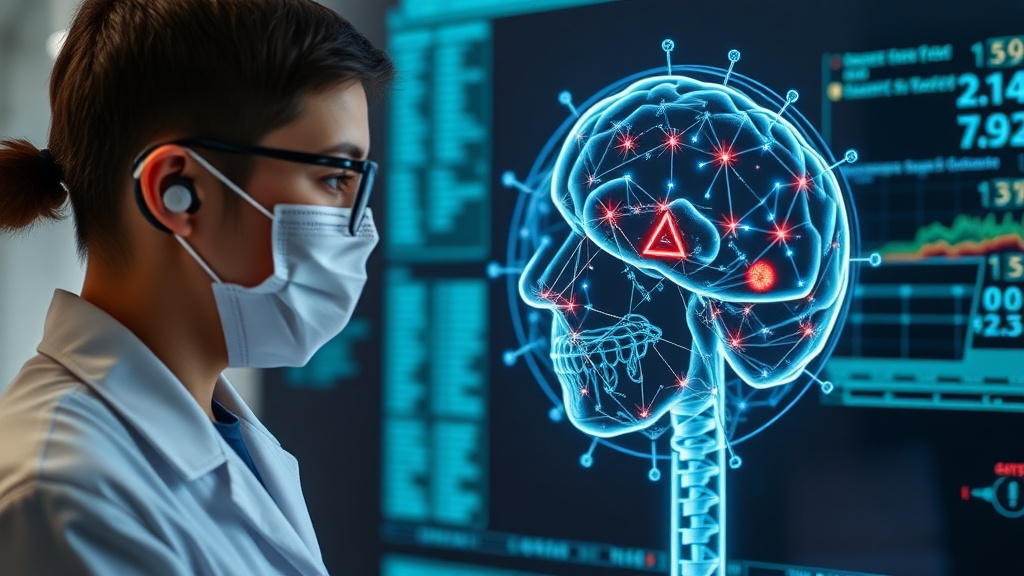
Artificial intelligence is transforming healthcare diagnostics, enabling physicians to detect diseases with unprecedented accuracy and speed. Machine learning algorithms now analyze medical imaging, pathology reports, and patient data to identify conditions like cancer, heart disease, and diabetes at earlier stages. This advanced innovation promises to decrease diagnostic errors, expedite treatment decisions, and ultimately save countless lives. Discover how artificial intelligence solutions are reshaping clinical practice and enhancing patient outcomes across the globe.
AI Technology Revolutionizes Diagnostic Precision
Machine learning algorithms have substantially altered diagnostic accuracy by analyzing vast amounts of medical data with impressive accuracy. These advanced technologies identify fine-grained patterns invisible to the human eye, enabling more timely identification and more reliable clinical assessments. By leveraging historical patient data and imaging records, machine learning models steadily refine their prediction accuracy, reaching diagnostic accuracy rates that frequently exceed traditional methods. Healthcare institutions worldwide are implementing these technologies to optimize patient outcomes and expedite clinical workflows.
The integration of machine learning into diagnostic protocols has substantially decreased incorrect positive and negative results, vital components in healthcare outcomes. These intelligent models deliver to clinicians data-driven insights that enhance diagnostic confidence and clinical decision support. Real-world implementations reveal significant advances in identification accuracy for serious conditions, from early-stage cancers to heart and vascular conditions. As these systems develop and gather expanded datasets, their precision steadily advances, creating enhanced criteria for clinical accuracy.
Deep Learning Approaches in Healthcare Imaging
Machine learning systems have transformed diagnostic imaging evaluation by systematically capturing intricate patterns from medical scans with extraordinary precision. Convolutional neural networks excel at analyzing multiple scan types such as X-rays and MRI images, identifying irregularities that might escape human observation. These models analyze medical images millions of times faster than traditional analysis methods, enabling quick assessment in time-sensitive scenarios. Healthcare institutions deploying advanced neural network systems report significant gains in detection performance and turnaround time across various scan types.
Advanced deep learning models now assist radiologists in detecting tumors, fractures, infections, and degenerative conditions with reliable reliability. These systems utilize extensive annotated data, continuously refining their ability to separate normal and pathological findings. Integration with established hospital infrastructure allows seamless workflow enhancement without disrupting existing processes. The combination of human expertise and machine intelligence establishes a powerful diagnostic partnership that maximizes patient safety and therapeutic outcomes.
Natural Language Processing for Clinical Record-Keeping
Natural language processing technology retrieves valuable diagnostic information from unstructured clinical notes, laboratory reports, and patient records that were previously difficult to analyze systematically. NLP algorithms interpret physician narratives, identifying important clinical observations, symptoms, and relevant patient history with impressive accuracy. This functionality enables medical institutions to aggregate clinical insights across patient populations, supporting population health studies and identifying clinical patterns. Automated analysis of clinical records accelerates diagnostic decision-making and ensures essential data reaches relevant clinicians in a timely manner.
Natural language processing-enabled systems enhance clinical diagnostic assistance by synthesizing information from multiple medical documents into actionable diagnostic insights. These technologies minimize administrative demands on healthcare professionals while boosting information accessibility and accuracy. By systematically identifying relevant prior results and comparative analysis, NLP systems assist clinicians formulate more evidence-based diagnostic determinations. The continuous learning capabilities of these systems mean they become increasingly sophisticated at processing medical language and medical environments.
Rollout Issues and Resolutions
Data Integrity and Integration Issues
Healthcare organizations grapple with substantial challenges in deploying AI diagnostic systems, primarily concerning data quality and interoperability. Medical records across different institutions often exist in incompatible formats, making it hard to assemble complete datasets for AI model training. Additionally, incomplete or inconsistent patient data compromises algorithm accuracy. Healthcare providers are addressing these challenges by implementing consistent data frameworks, investing in electronic health record modernization, and creating secure data-sharing networks that protect patient information while enabling collaborative AI development among healthcare organizations.
Regulatory Standards and Clinical Validation
Addressing compliance requirements creates another considerable challenge for AI adoption in medical diagnostics. Governing agencies worldwide mandate rigorous clinical validation, clarity in how algorithms make decisions, and established documentation of safety and efficacy before approval. Organizations must conduct large-scale trials proving that artificial intelligence systems perform reliably across diverse patient populations. Solutions include establishing clear regulatory pathways, deploying interpretable AI systems that medical professionals can grasp and have confidence in, and preserving thorough documentation logs. Collaboration between technology developers, clinical providers, and regulatory bodies speeds up the approval timeline while maintaining patient safety remains paramount.
Employee Adjustment and Integration
Properly rolling out AI diagnostic tools demands substantial changes in healthcare operations and staff development. Healthcare professionals must receive extensive instruction on interpreting system-produced insights and grasping technical boundaries. Reluctance to adopt new methods and fears of workforce reduction can slow adoption rates. Organizations are implementing solutions through specialized training efforts, creating AI literacy initiatives for medical staff, and positioning AI as a auxiliary technology that improves rather than replaces human expertise. Including healthcare providers in system design guarantees practical implementation, builds confidence, and fosters collaborative human-AI diagnostic partnerships.
Emerging Prospects and Clinical Integration
The integration of artificial intelligence into healthcare operations marks a fundamental transformation in healthcare delivery. As machine learning algorithms continue to improve, medical facilities are widely deploying AI-driven diagnostic solutions to strengthen decision-support capabilities. Upcoming innovations will focus on enabling seamless connectivity between intelligent platforms and current EHR systems, allowing clinicians to obtain clinical insights effortlessly. This convergence is poised to optimize operational processes, reduce administrative burden, and permit medical staff to devote greater attention to patient care and complex clinical reasoning.
Looking ahead, the healthcare industry foresees broad implementation of AI diagnostics across multiple medical fields and worldwide health networks. Next-generation solutions such as collaborative AI models and distributed processing will enable hospitals to utilize AI-powered tools while protecting patient data and security. Investment in AI infrastructure and clinical training programs will speed up adoption. As regulatory frameworks mature and data builds regarding AI effectiveness, healthcare organizations across the globe will progressively adopt these technologies as standard diagnostic tools, significantly altering how diseases are identified and managed.
Custom Medical Treatment Using Artificial Intelligence Analysis
Artificial intelligence facilitates the creation of customized treatment strategies by analyzing patient-specific genetics, lifestyle factors, and medical histories. Machine learning algorithms can identify patient-specific risk profiles and forecast ideal therapeutic outcomes based on detailed data evaluation. This precision approach enables healthcare providers to tailor interventions to individual patient needs, improving therapeutic effectiveness and minimizing side effects. Individualized AI diagnostic tools mark a major transformation from standardized treatment approaches toward individualized healthcare strategies that maximize therapeutic outcomes.
The combination of genomics and AI generates new possibilities for preventive healthcare. AI systems can recognize hereditary risks to various diseases, facilitating timely action and behavioral changes before symptoms emerge. Predictive analytics help medical professionals predict disease development and modify care strategies proactively. As AI technologies mature, individualized care will become increasingly obtainable, democratizing targeted medical care across diverse patient populations. This transformation is poised to transform clinical results and set updated guidelines for preventive and therapeutic medicine.
Regulatory Structure and Ethical Considerations
The swift progress of AI in healthcare diagnostics demands strong regulatory structures maintaining safety, efficacy, and accountability. Regulatory agencies across the globe are creating guidelines for AI validation, clinical testing, and ongoing monitoring of algorithmic performance. Transparent system development and decision-making processes is essential for building confidence with doctors and patients. Implementing transparent accountability structures and legal liability provisions protects patients while promoting innovation. Standardized regulatory approaches between jurisdictions will facilitate worldwide adoption of AI technologies while maintaining standardized safety and quality requirements.
Ethical considerations regarding AI diagnostics require close scrutiny to bias, privacy, and fair availability. Machine learning algorithms trained on biased datasets may reinforce healthcare disparities, necessitating varied datasets and rigorous bias testing. Patient privacy safeguarding through anonymizing information and protected data storage remains paramount. Guaranteeing fair availability to AI diagnostic tools across socioeconomic groups prevents widening healthcare inequalities. Ongoing ethical review, open dialogue with stakeholders, and collaborative policy creation will guide ethical AI adoption in healthcare, guaranteeing these transformative technologies serve all patients equitably.
